
Dedicated vs. Route Engineer
Home / Dedicated vs. Route Engineer
Two field-service coverage models for compression and rotating equipment — how they differ, what each costs, and how to choose per asset.
Definitions
Dedicated engineer. A field service engineer or technician assigned exclusively (or nearly so) to one customer, field, or defined group of units. Their time, attention, and accountability sit with that fleet. They typically live near or on the assigned area, run regular rounds on the same equipment, and become the operator’s single point of contact for that scope.
Route engineer. A field service engineer or technician who covers a route — multiple customers and units spread across a geographic area — on a scheduled rotation, plus unscheduled callouts. Their time is shared across many accounts, so any single unit sees them periodically rather than continuously. Routes are built and rebalanced by the service provider to maximize technician utilization across the whole territory.
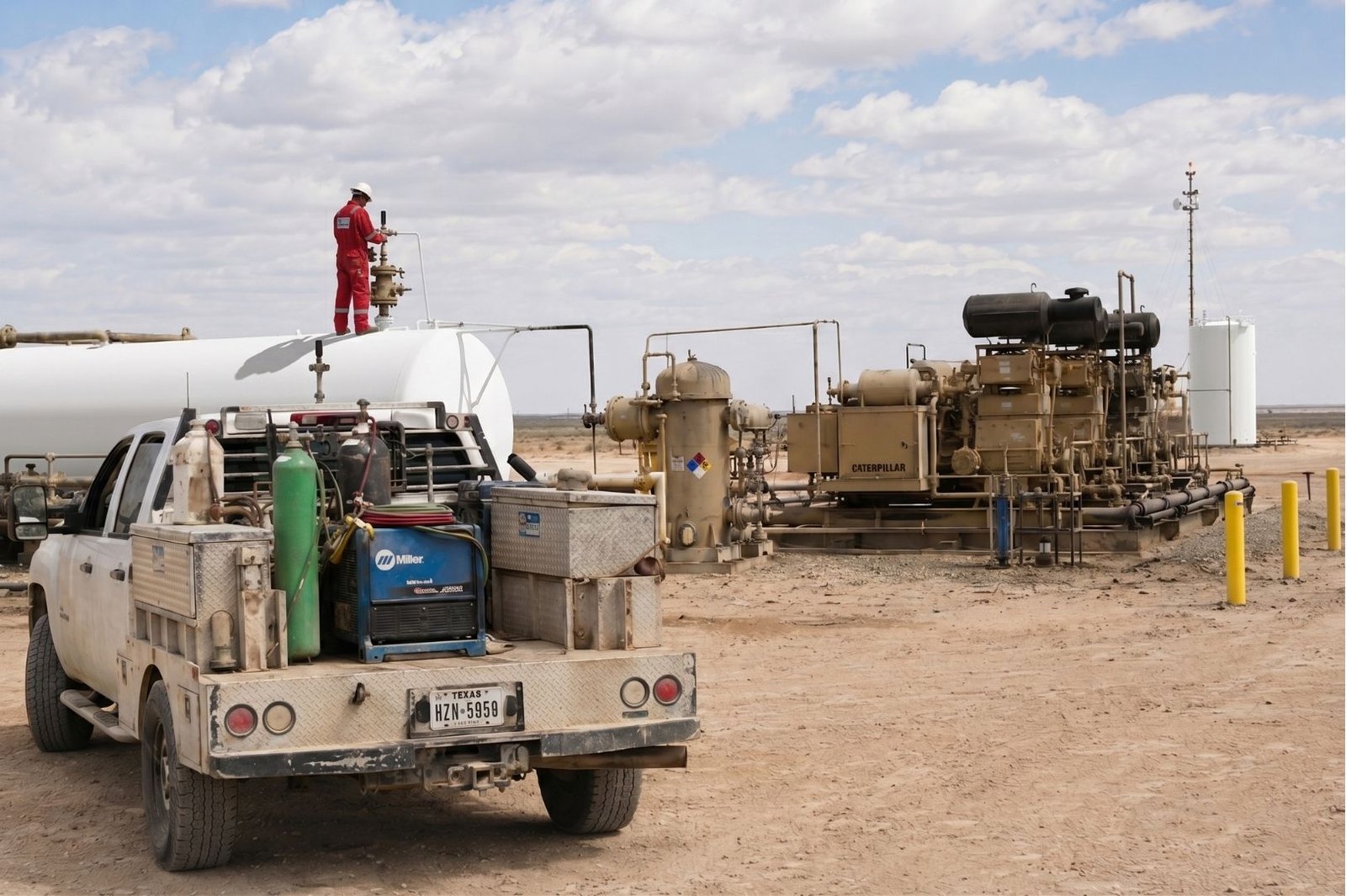
Field service coverage — how a provider staffs response to compression and rotating equipment — is one of the biggest levers on equipment availability, and it usually comes down to two models. A dedicated engineer is assigned to a single customer, field, or cluster of units and is responsible for that fleet full-time. A route engineer covers many customers’ units across a geographic area, visiting each on a rotating schedule and responding to callouts as they arise.
Neither model is universally right. A dedicated engineer maximizes uptime, site knowledge, and response speed, but costs more per unit because the customer effectively funds that person’s time. A route engineer spreads labor cost across many units and scales efficiently, but trades away response speed and site-specific depth. The correct choice is driven by how critical the equipment is, how many units are involved and how tightly they’re clustered, the required response time, and cost tolerance.
For compliance-critical compression — VRU packages whose downtime means venting or flaring out of permit — the availability advantage of a dedicated engineer often pays for itself in avoided emissions events, avoided regulatory exposure, and recovered product. For dispersed, lower-criticality, or lower-count fleets, a route model delivers acceptable coverage at a materially lower cost. Many operators land on a hybrid: dedicated coverage on the critical, high-density assets and route coverage on the long tail.
The Dedicated Engineer Model
Advantages:
- Deep, unit-specific knowledge. Working the same fleet daily, the engineer learns each unit’s quirks, history, and failure patterns, which speeds diagnosis and reduces repeat failures.
- Fast response. Being on-site or nearby minimizes travel time when a unit trips — decisive for equipment where every hour down is an hour of lost production or a compliance event.
- Proactive and predictive maintenance. With time to run rounds and trend data, the engineer catches developing problems early instead of only reacting to breakdowns.
- Continuity and accountability. A single, consistent point of contact builds trust with the operator’s team, keeps standards consistent, and gives clear ownership of results.
- Higher availability. The combined effect of familiarity, speed, and proactivity is typically the best uptime of any model — the metric that ultimately matters most.
Trade-offs:
- Higher cost per unit. The customer funds that engineer’s full time, so on a small fleet the cost per unit is high and utilization may be low.
- Coverage gaps and single-point-of-failure risk. One person needs backup for PTO, illness, and nights/weekends; without a relief plan, their absence leaves the fleet exposed.
- Knowledge concentration. So much site knowledge sitting with one individual is a risk if that person leaves; it must be documented and shared.
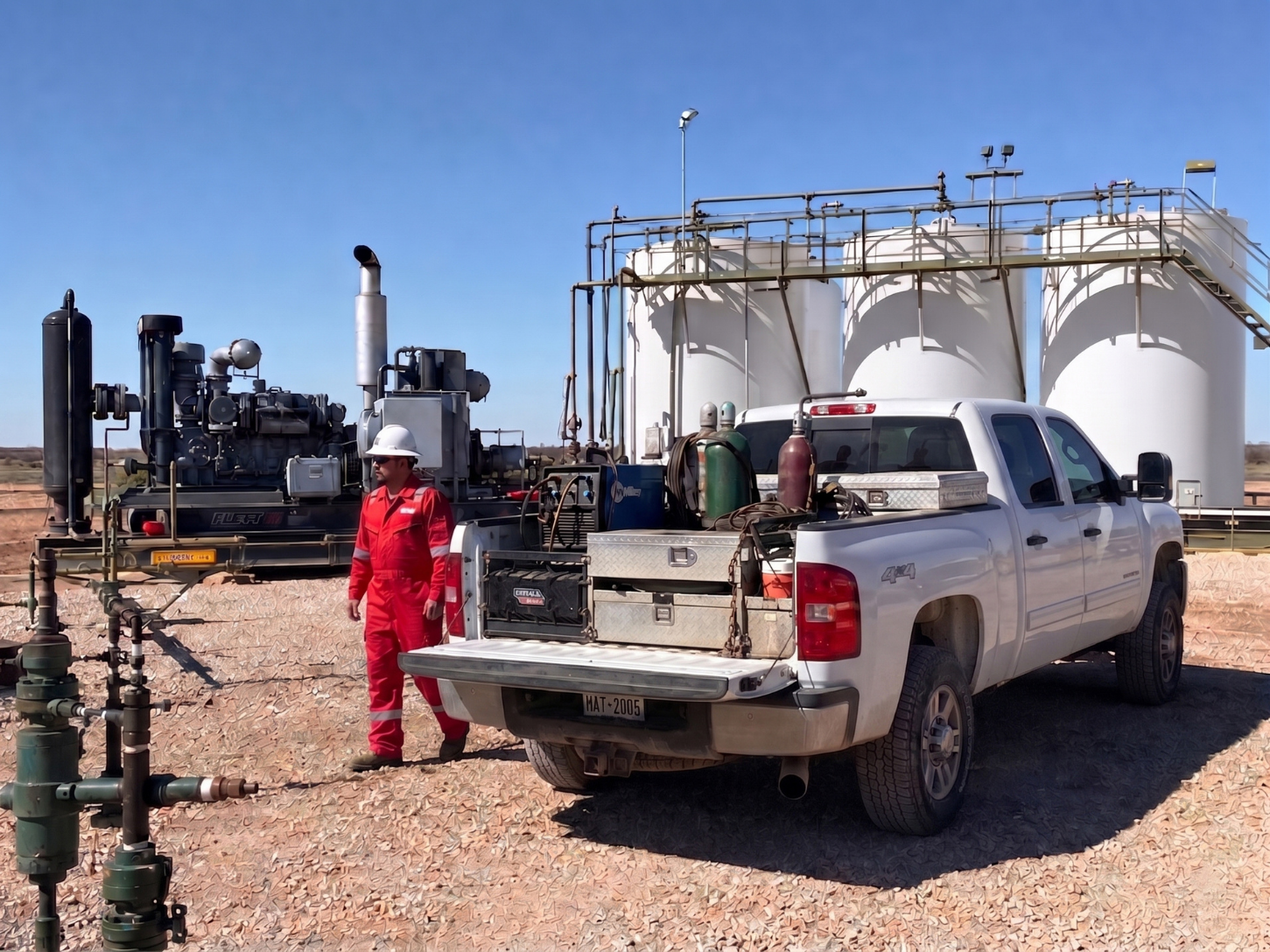
The Route Engineer Model
Advantages:
- Lower cost per unit. Labor is shared across many customers and units, so each unit carries only a fraction of an engineer’s cost — efficient for large or dispersed fleets.
- Built-in redundancy. At the provider level, routes can be rebalanced and backup technicians dispatched, so coverage does not hinge on a single individual.
- Broad exposure and cross-learning. Seeing many sites and unit types, route engineers bring fixes and best practices learned elsewhere back to each account.
- Scalability. Adding a few units to an existing route is far cheaper and faster than standing up dedicated coverage.
Trade-offs:
- Slower response. Travel time between sites means a tripped unit may wait hours for attention — costly on critical equipment.
- Less site-specific depth. Rotating coverage builds less institutional memory per site, so diagnosis can take longer and subtle recurring issues can be missed.
- Reactive bias. Scheduled visits plus callouts leave less time for proactive trending, so more problems are found after they’ve already caused a trip.
- Competing priorities. When several accounts have issues at once, the route engineer can only be in one place; critical units may sit while priorities compete.
Side-by-Side Comparison
| Factor | Dedicated engineer | Route engineer |
|---|---|---|
| Route engineer | Fastest — on or near site | Slower — travel between sites |
| Site-specific knowledge | Deep; knows each unit's history | Broad but shallower per site |
| Maintenance posture
Table Data | Proactive / predictive | Largely scheduled + reactive |
| Cost per unit | Higher | Lower (shared labor) |
| Utilization efficiency | Lower on small fleets | High across many units |
| Redundancy / backup | Needs an explicit relief plan | Built in at provider level |
| Scalability | Adds cost step-wise | Adds units to existing route |
| Best fit | Critical, high-density, high-value assets | Dispersed, lower-criticality, lower-count fleets |
How to Choose: Decision Factors
- Criticality and compliance exposure. If a trip means lost production, a safety issue, or an out-of-permit venting/flaring event, response speed and uptime dominate — lean dedicated.
- Unit count and density. Many units clustered in one field can justify a dedicated engineer on cost alone; a handful of scattered units rarely can — lean route.
- Required response time / uptime SLA. A tight availability commitment pushes toward dedicated (or dedicated with route backup); a looser one is fine on a route.
- Equipment complexity. Specialized or finicky machines reward the familiarity a dedicated engineer builds; standardized, well-understood units travel well on a route.
- Remoteness. Remote sites magnify travel-driven downtime, favoring dedicated coverage — though remote locations are also harder to staff dedicated.
- Cost tolerance and contract economics. Weigh the fully loaded cost of dedicated coverage against the quantified cost of downtime, lost product, and compliance risk it prevents.
The Hybrid Approach
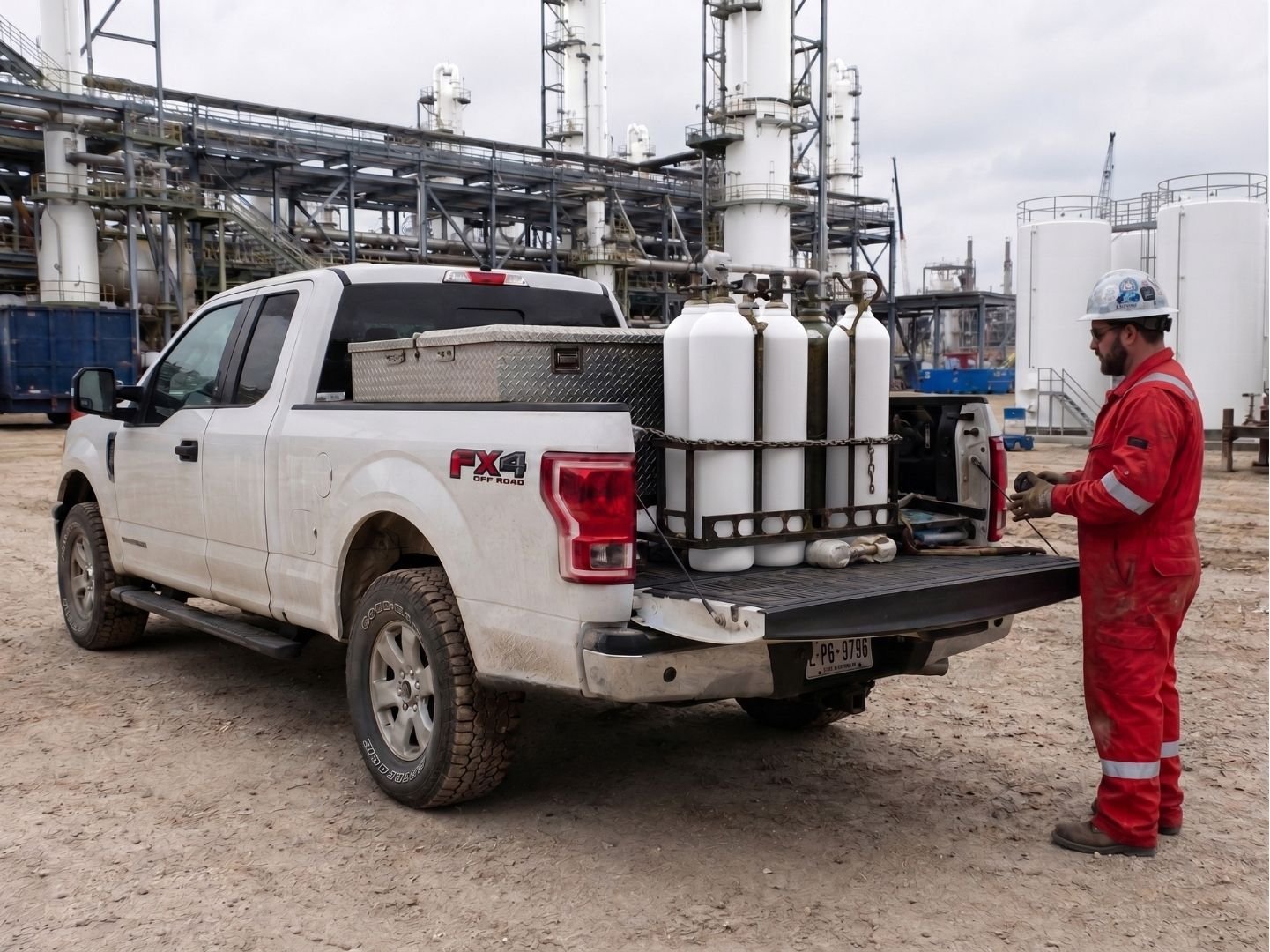
In practice, many operators don’t pick one model for everything. Common blends include: dedicated coverage on the critical, high-density core of the fleet with route coverage on the low-criticality tail; a dedicated lead engineer backed by route technicians for relief and after-hours callouts; and zone or cluster staffing, where one engineer owns a tight geographic pocket of units that behaves like a dedicated assignment but is sized for efficient utilization. A hybrid captures most of the availability benefit where it matters while holding overall cost down.
The bottom line: Match the coverage model to the asset, not the other way around. For compliance-critical, high-density, or high-value compression — such as VRUs keeping tank batteries in permit — a dedicated engineer typically earns its cost back through avoided downtime, avoided emissions events, and recovered product. For dispersed, lower-criticality, or lower-count fleets, a route engineer provides sound coverage at a lower cost per unit.
Prepared as a general operational brief. Actual staffing decisions should be validated against site-specific criticality, response-time commitments, fleet size and density, and fully loaded coverage economics.