VRU House vs. Skid — Permian Basin
Home / VRU House vs. Skid — Permian Basin
Reliability, weather survivability, and emissions-compliance advantages of enclosing vapor recovery unit compressors — with lessons from Winter Storm Uri and other severe-weather events.
Why VRU Uptime Matters More Than It Used To
A VRU compressor typically takes suction near atmospheric pressure from the vapor space of storage tanks (and sometimes low-pressure separators or the flash stage) and boosts that gas into a sales line, a gas-lift system, or a closed-vent header. Because the suction is near-atmospheric and the gas is rich and wet, the package is inherently sensitive to anything that changes gas density, promotes liquid dropout, or freezes — exactly the conditions severe weather creates.
Regulation has turned vapor capture from a nice-to-have into a permit condition. Federal standards under 40 CFR 60 Subpart OOOOb (new/modified/reconstructed sources) and OOOOc (existing-source guidelines for states) steer operators away from routine flaring and toward capture and high-efficiency control, and specifically recognize VRUs as a control pathway.
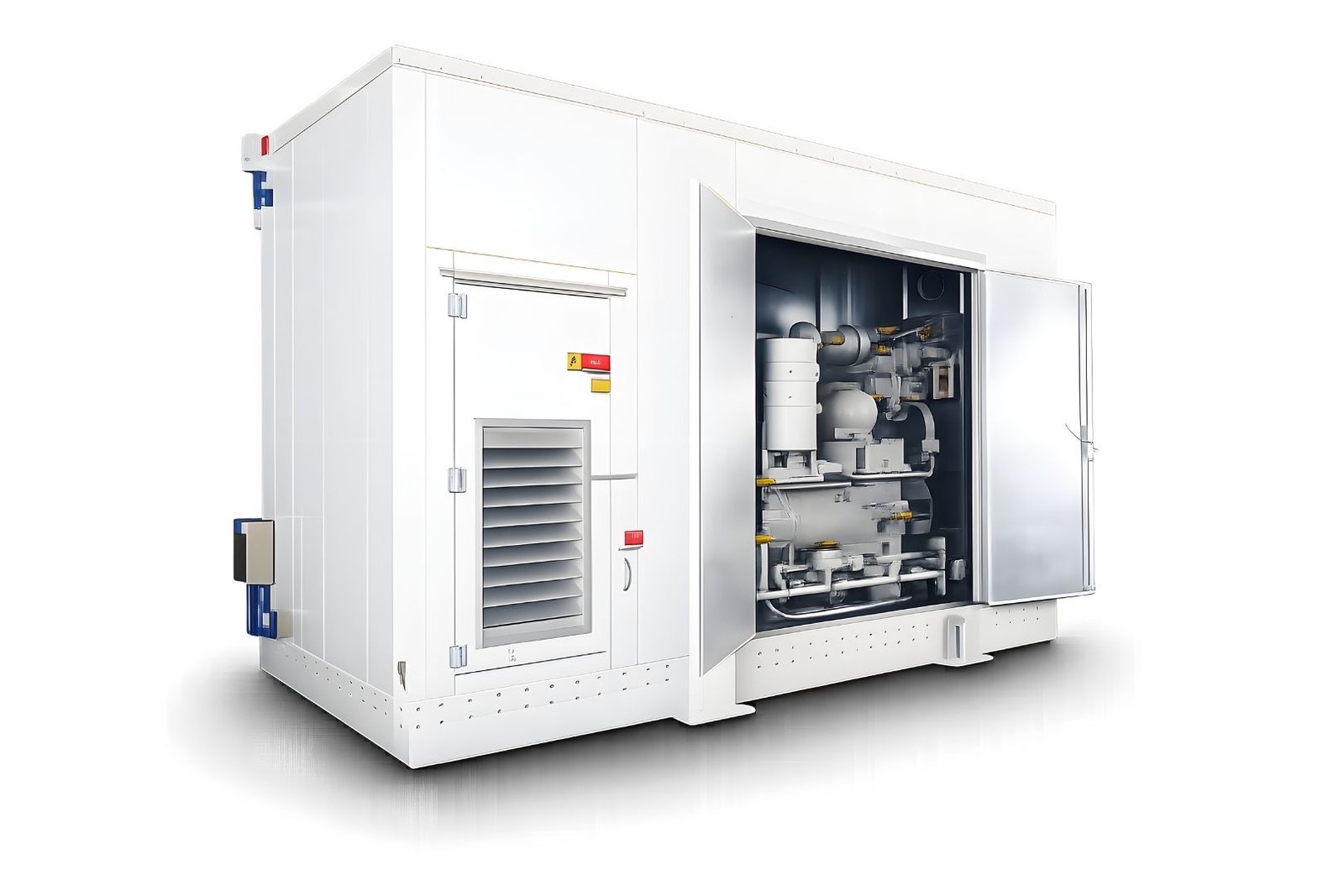
Vapor recovery unit (VRU) compressors have quietly become mission-critical equipment on Permian Basin tank batteries and central gathering facilities. Each unit pulls low-pressure flash, working, and breathing vapors off storage tanks and routes them to sales, gas lift, or a control device instead of allowing them to vent or flare. When a VRU trips, those vapors have nowhere to go but the atmosphere or the flare — simultaneously creating an emissions/compliance event and destroying recoverable product value. In short, VRU availability now equals both regulatory compliance and revenue.
The Permian is one of the harshest operating environments in North American onshore oil and gas: single-digit temperatures during Arctic outbreaks, 100°F-plus summers, a violent spring convective season that regularly produces baseball- to softball-sized hail and 60–118 mph winds, recurring haboobs (dust storms), and flash flooding. A VRU compressor left on an open, exposed skid absorbs every one of these insults directly. Placing the package inside an engineered, insulated and force-ventilated enclosure — commonly called a compressor “house,” VRU building, or dog house — shields the components that actually cause weather-driven trips and failures. The result is materially higher availability precisely during the events that take the most equipment offline.
New Mexico’s regime (OCD waste rules and 20.2.50 NMAC) effectively prohibits routine venting and flaring and pushes operators toward capturing a very high percentage of produced gas, phasing toward roughly 98%. In Texas, the Railroad Commission’s Statewide Rule 32 and TCEQ air authorizations govern flaring, venting, and tank emissions.
The practical consequence: a VRU is often the specific device keeping a site inside its permit. Every hour the compressor is down because an instrument line froze or a hail-shredded cooler tripped it on high discharge temperature is an hour the site may be venting or flaring out of compliance — and losing saleable gas and NGL.
"House" vs. Open-Skid Exposure: Definitions
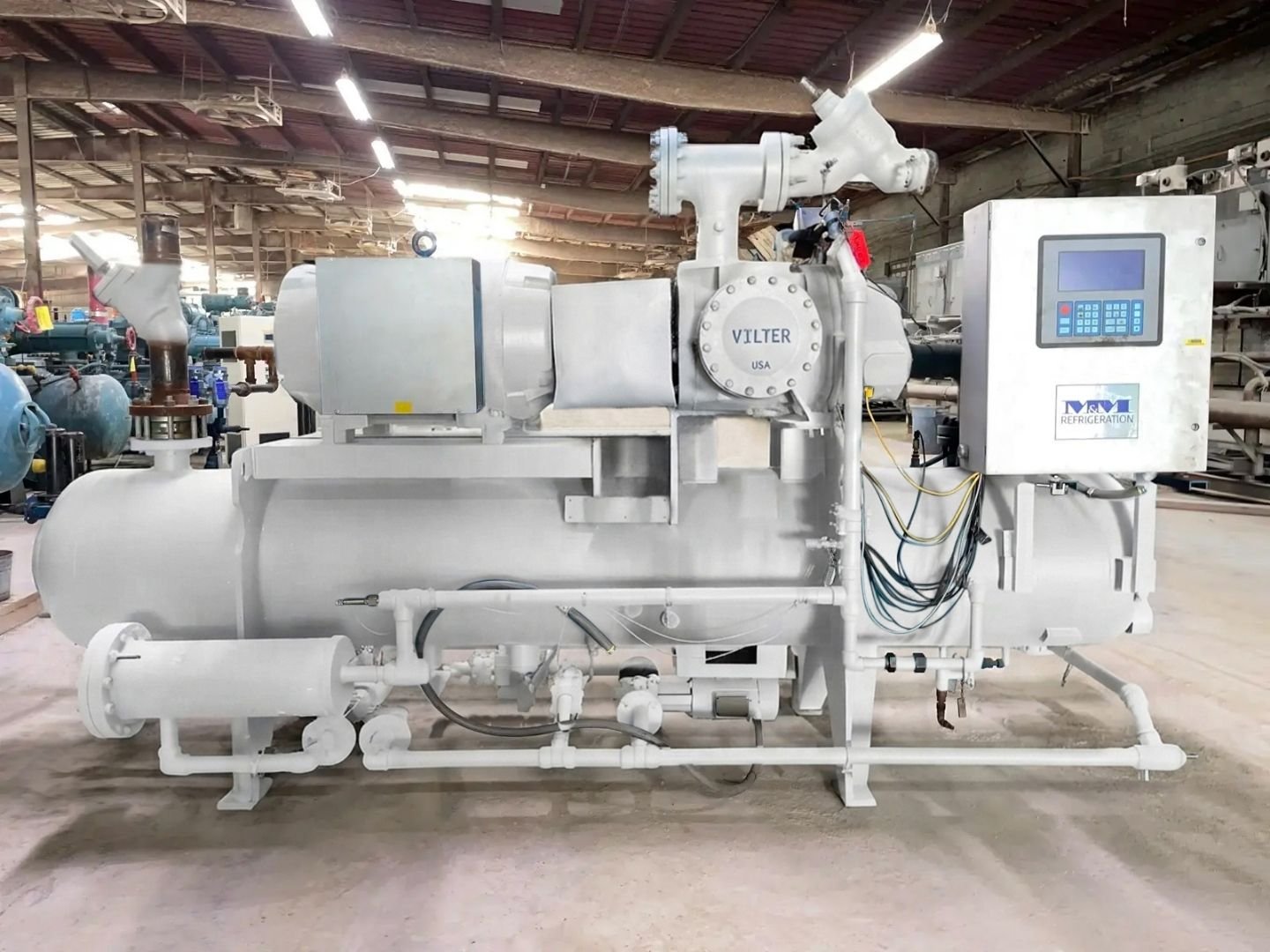
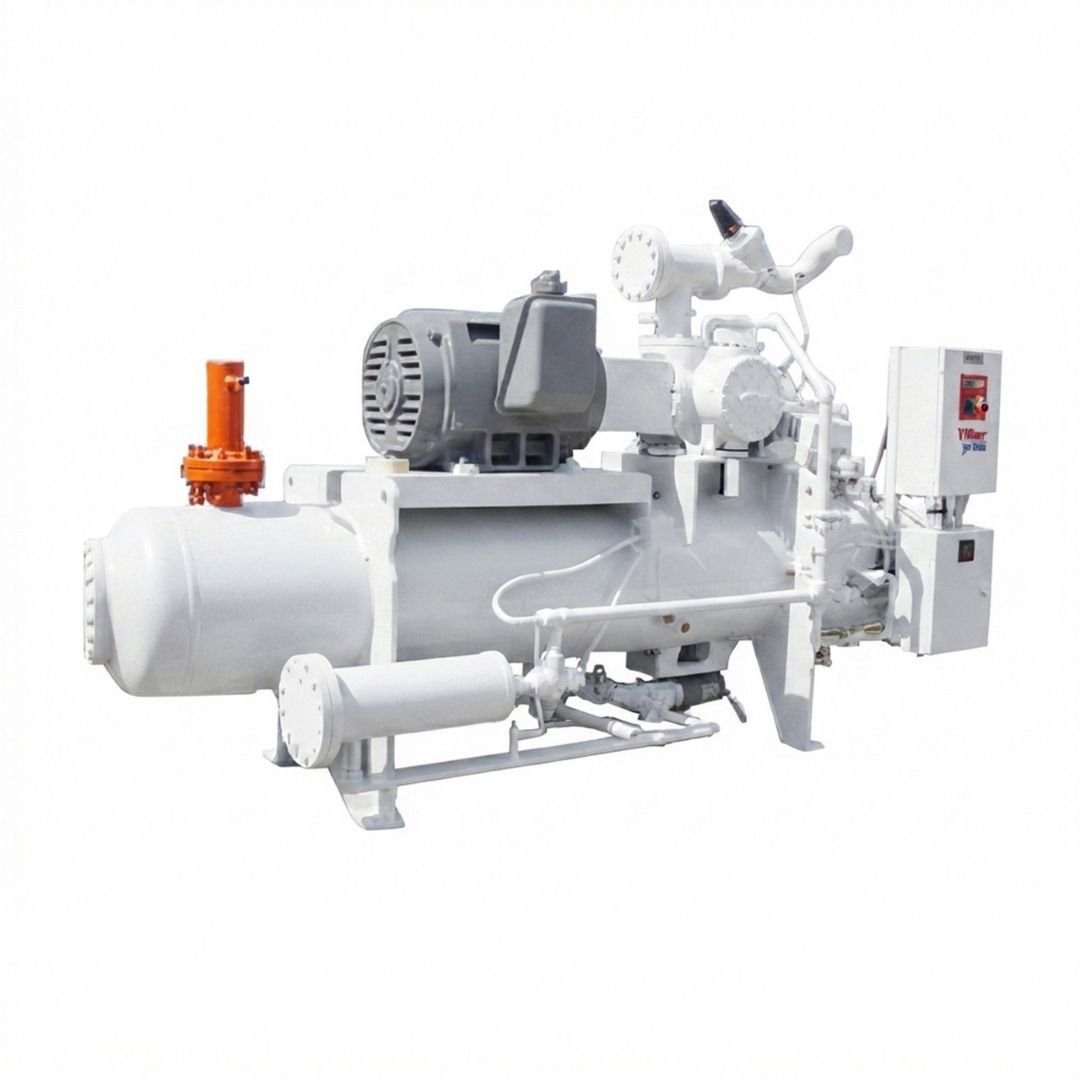
Open-skid exposure. The compressor, driver, suction scrubber/knockout, cooler (fin-fan), control panel, and instrumentation are mounted on a structural skid and left open to the atmosphere. Weather protection, if any, is limited to a sunshade or partial hood, individual instrument enclosures, and heat tracing on selected lines. Every exposed surface sees the full environment.
Enclosed “house.” The package sits inside a walk-in building or enclosure that is insulated and force-ventilated, and kept above ambient by the radiant heat captured inside the box rather than a dedicated space heater. It is engineered around the site’s electrical area classification, with rated ventilation, gas detection, and appropriate lighting and access. Smaller units may use a compact “dog house” over the compressor and controls while the cooler remains outside. The defining feature is that the failure-prone components are kept within a controlled envelope rather than exposed to ambient extremes.
Advantages of an Enclosure in the Permian Environment
Cold-weather and freeze protection — the single biggest advantage. Near-atmospheric, water-laden suction gas is prone to condensate dropout and hydrate/ice formation. On an exposed skid, an Arctic outbreak attacks the package on several fronts at once: liquid and ice plug the suction scrubber and low points; condensate freezes in drains; instrument and pneumatic lines freeze and give false readings or lock out; lube-oil viscosity climbs so the machine hard-starts; coolant thickens or freezes; moisture condenses inside control panels. Any one of these trips the unit; in a storm, several happen together. An insulated, enclosed house holds the package above the freeze and hydrate envelope, so it keeps running while nearby open-skid units drop offline.
Hail protection. Permian convective storms routinely produce very large hail — half-dollar to golf-ball is common, and the region has taken baseball-, tennis-ball-, and even softball-sized stones in and around Midland-Odessa. Hail is brutal on the most exposed parts of an open-skid VRU: fin-fan cooler bundles dent and flatten, cutting heat-transfer capacity and driving high-discharge-temperature trips; gauges, sight glasses, and transmitters shatter; solar panels are destroyed. A roof over the package eliminates direct hail impact on this equipment.
Hard rain, moisture, and flash flooding. The same storm cells drop one to three inches of rain in an afternoon, producing flash flooding across the basin’s flat, poorly draining pads. Driving rain finds its way into motor windings, junction boxes, and control enclosures. An enclosed, ideally elevated, package stays dry, protecting electrical gear and instrumentation and slowing internal corrosion.
Wind and blowing dust/sand. West Texas wind events reach 60–118 mph in severe storms, and haboobs push walls of fine dust across the basin. Blown grit packs fin-fan coolers and intakes, fouls filters, abrades coatings, and works into seals and bearings. An enclosure with filtered, engineered ventilation keeps the abrasive load off the machine and shields against wind-driven debris.
Heat and UV. Summers routinely exceed 100°F, and sustained high ambient temperature plus intense UV degrades elastomers and seals, embrittles wiring insulation, and bakes electronics. A shaded, properly ventilated house moderates the thermal and UV load. In the Permian, siting and orientation matter as much as ventilation: units should be set with an eastern exposure — the electronic and control portion of the skid facing east — placing controls in cooler morning sun and shading them from intense afternoon and western sun during the hottest part of summer days.
Operations, maintenance, and HSE. Inside a lit, weather-protected building, crews can perform maintenance during cold, rain, hail, or dust instead of deferring it; walkways stay clear of snow and ice; noise is attenuated. Fewer weather-canceled trips and faster, safer repairs translate directly into higher uptime.
Side-by-Side Summary
| Stressor | Open skid exposure | Enclosed house |
|---|---|---|
| Hard freeze / Arctic outbreak | Scrubber/line/instrument freeze-offs, oil too viscous, panel condensation — multiple simultaneous trips | Insulated envelope retains captured internal heat; holds package above freeze/ hydrate point; keeps running |
| Large hail | Coolers, gauges, transmitters, solar panels damaged; high-temp trips | Roof stops direct impact; sensitive components protected |
| Hard rain / flooding | Water ingress to motors, panels, JBs; corrosion; standing water | Dry, often elevated; electrical and instruments protected |
| High wind / dust (haboob) | Grit fouls coolers/intakes, abrades seals and bearings | Filtered ventilation keeps abrasives out; structure shields debris |
| Extreme heat / UV | Elastomers, wiring, electronics degrade in sun | Shaded and ventilated; longer component life (if vented well) |
| Maintenance in weather | Deferred or unsafe; longer downtime | Serviceable in any weather; faster return to service |
| Net effect | More weather trips → more venting/flaring → compliance & revenue risk | Higher availability → sustained capture & compliance |
What Happened During Uri and Other Severe-Weather Events
Winter Storm Uri — February 2021. As temperatures fell into the single digits, water and heavier liquids froze in wellbores and gathering lines, gas plants curtailed, and compressor stations lost power. A University of Texas post-storm review found Permian natural gas production fell roughly 85% at the worst of the event, and Texas gas production dropped nearly 45% overall. Loss of electric power was the single largest driver of lost gas production, but freeze-offs of unweatherized surface equipment were a major compounding factor. Federal reviewers (FERC/NERC) and state regulators concluded the gas system was dangerously under-winterized, and in August 2022 the Railroad Commission of Texas adopted the state’s first weatherization rule for gas facilities. For VRU compression specifically, Uri hit every vulnerability an open skid has. Packages that were enclosed and heated stood a far better chance of riding through.
Elliott (Dec 2022) and Heather (Jan 2024). The pattern repeated at smaller scale — each storm cut Permian production by roughly 3 Bcf/d, again through the familiar mix of freeze-offs and cold-driven equipment trips, reinforcing that exposed surface equipment remains the recurring weak point each winter.
Winter Storm Fern — January 2026. Fern rivaled Uri for cold and set spot-price records, with analysts estimating roughly 250,000 barrels per day of Permian crude temporarily lost at the peak. Crucially, the operational damage was less severe than Uri — attributed to winterization efforts, better preparation, and the absence of major power outages. That contrast is the field-scale evidence for this whole brief: where operators had winterized and enclosed equipment after Uri, the same class of storm did less damage. Weatherization works.
Convective season — hail, wind, dust, and flooding. The warm-season threats are just as real for exposed equipment, if less headline-grabbing. Recent Permian storms have produced baseball- to softball-sized hail near Midland (May 2024), hail to three inches with wind gusts to 118 mph (June 2023), and tennis-ball hail driven by 60–70 mph winds (June 2018), alongside recurring haboobs and one-to-three-inch downpours that flood pads.
Trade-Offs and Design Considerations
An enclosure is not free and, done badly, can introduce hazards an open skid does not have:
- Electrical area classification and ventilation. Enclosing a hydrocarbon-handling package can create or upgrade a classified enclosed space. The design must provide rated ventilation, gas detection, and — where required — purge/pressurization. A poorly ventilated house is more dangerous than an open skid; ventilation failure must fail safe.
- Cooler air supply. Air-cooled coolers need large volumes of outdoor air — either mount the cooler outside the enclosure or provide louvered/ducted airflow, and protect it from hail without starving it of air.
- Summer heat management. The same walls that retain internal heat in winter can trap summer heat, so ventilation must keep the driver, lube oil, and control panel within limits year-round, with the package oriented for eastern exposure.
- Capital cost, footprint, and lead time. A walk-in building costs more, occupies more pad, and takes longer to fabricate than a bare skid — the justification is strongest on compliance-critical, higher-throughput sites.
- Access, structure, and foundation. Maintenance and crane access, wind loading, and foundation design all need attention an open skid doesn’t demand.
- Right-sizing the solution. Not every small VRU justifies a full house — a weather hood or partial enclosure plus heated instrument enclosures, heat-traced insulated lines, hardened panels, and hail-guarded coolers captures much of the benefit at lower cost.
Further Reading / Sources:
- U.S. Energy Information Administration — “Winter storms have disrupted U.S. natural gas production” (Mar 2024)
- E&E News / POLITICO and University of Texas post-storm review — Permian production decline during Uri
- ScienceDirect, “Cascading risks: Understanding the 2021 winter blackout in Texas”
- Texas Oil & Gas Association — Winter Ready materials
- Natural Gas Intelligence and Discovery Alert — Winter Storm Fern (Jan 2026) coverage
- NWS Midland/Odessa event summaries and West Texas storm recaps (2015–2026)
- EPA 40 CFR 60 Subpart OOOOb/OOOOc; New Mexico OCD waste rules / 20.2.50 NMAC; Texas RRC Statewide Rule 32 and TCEQ
Prepared as a general technical brief. Enclosure, ventilation, area-classification, and winterization designs must be verified by qualified engineers against site-specific gas composition, electrical classification, and applicable federal/state rules.