Rhino-Coated Floor Safety
Home / Rhino-Coated Floor Safety
Built for production — and the people who maintain it.
Improved Slip-and-Fall Protection
Diamond plate is often assumed to be slip-resistant because of its raised pattern. In actual field conditions, however, the surface can become slick when covered with oil, water, frost, mud, or compressor fluids.
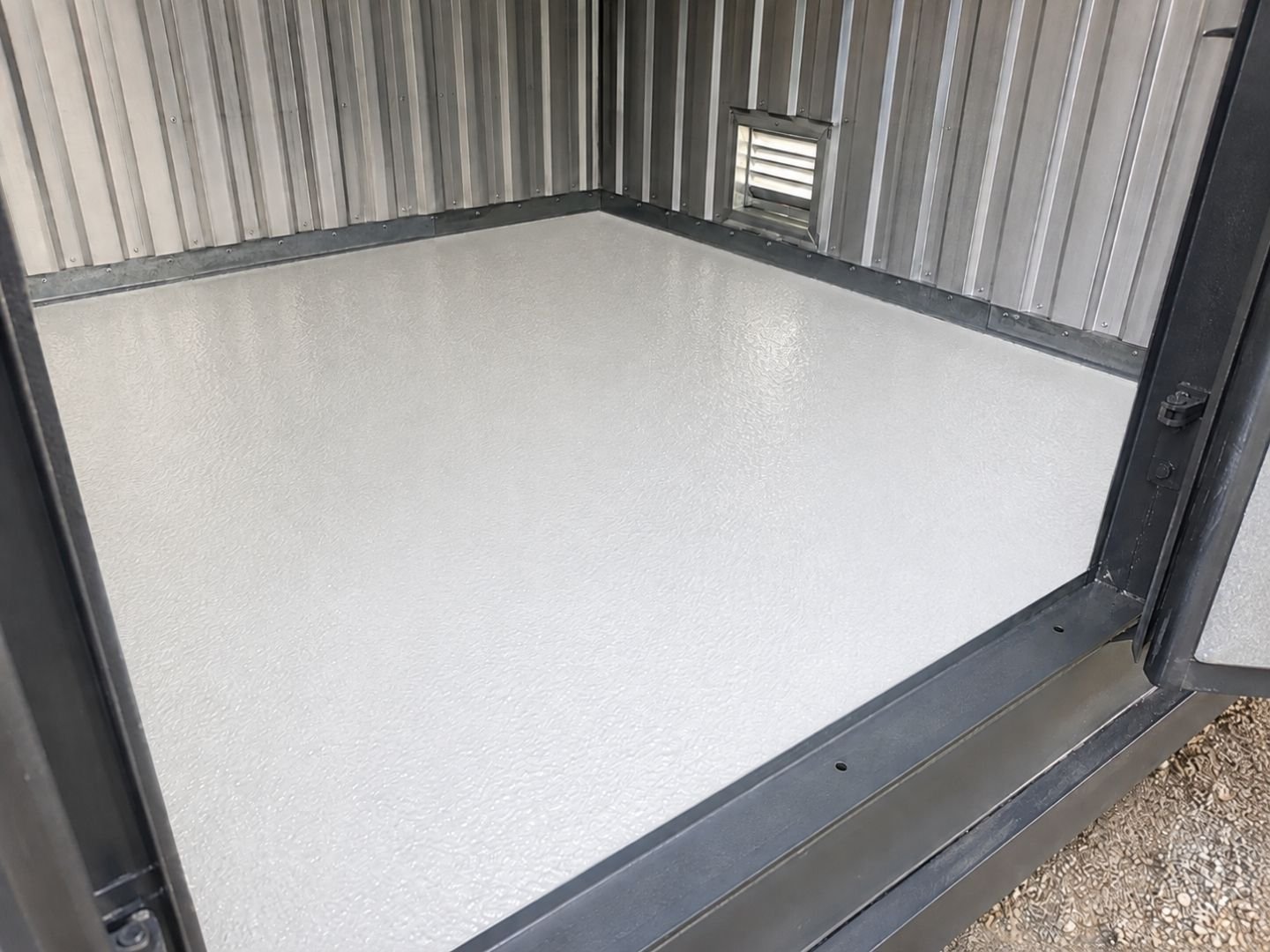
A properly applied textured floor coating provides additional surface grip and creates a more consistent walking area for personnel entering and working inside the compressor housing. The coating also helps prevent fluids from spreading across exposed steel, making spills easier to identify, contain, and clean before they become a greater safety hazard.
No floor surface can eliminate all slip-and-fall risk. Good housekeeping, proper footwear, adequate lighting, drainage, and prompt spill cleanup remain essential. The Rhino-coated floor adds another practical layer of protection for personnel working around the equipment.
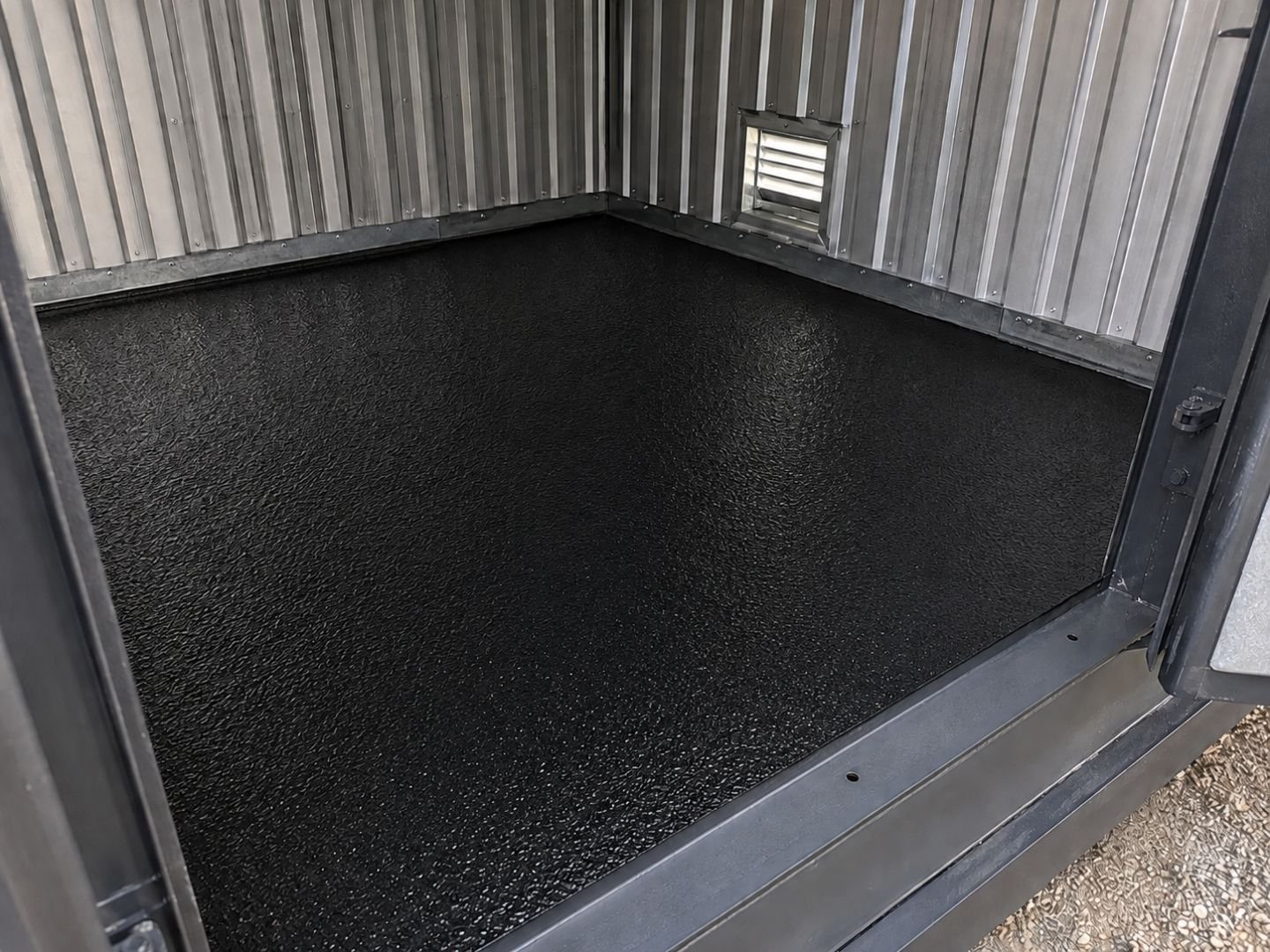
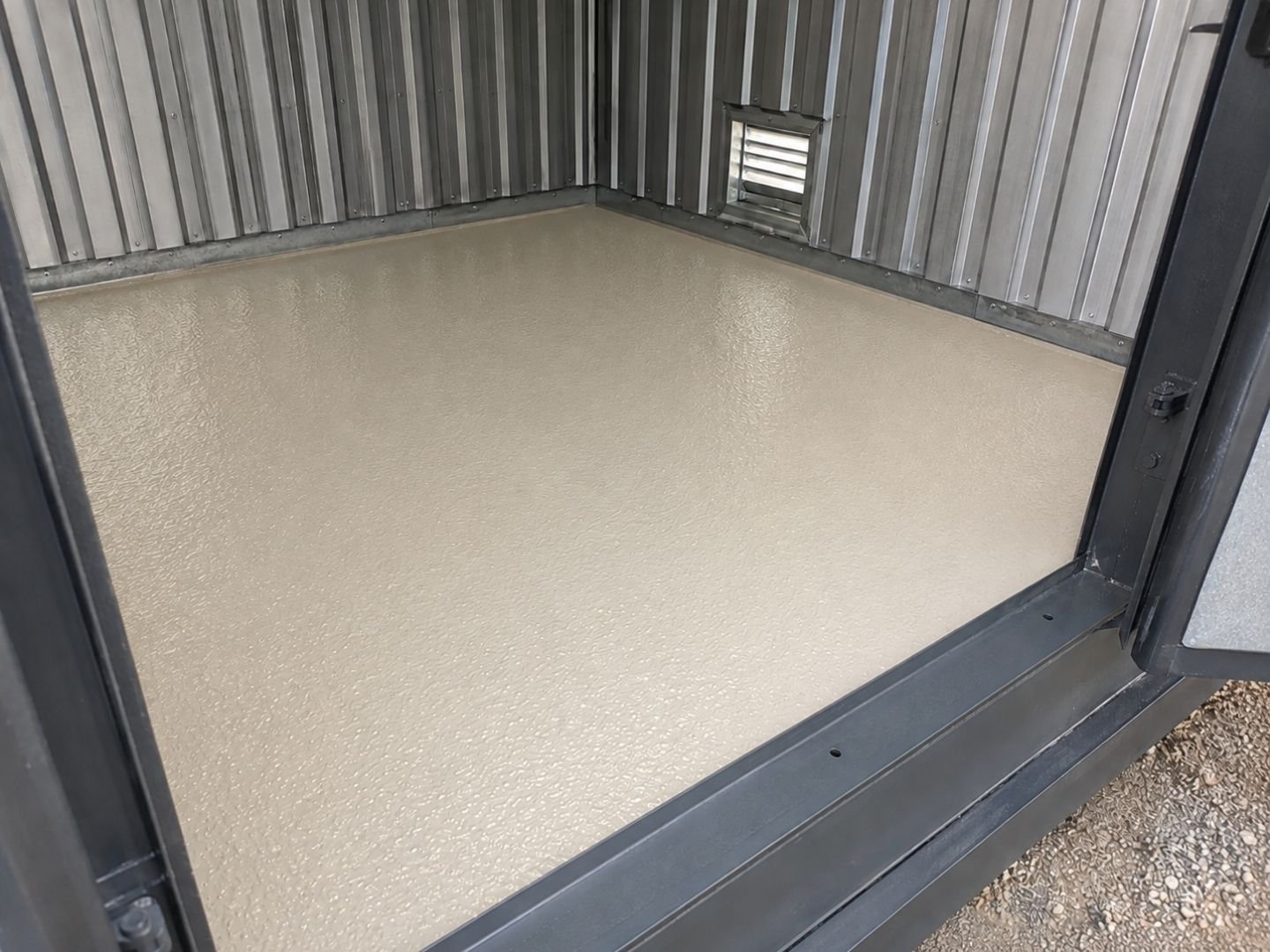
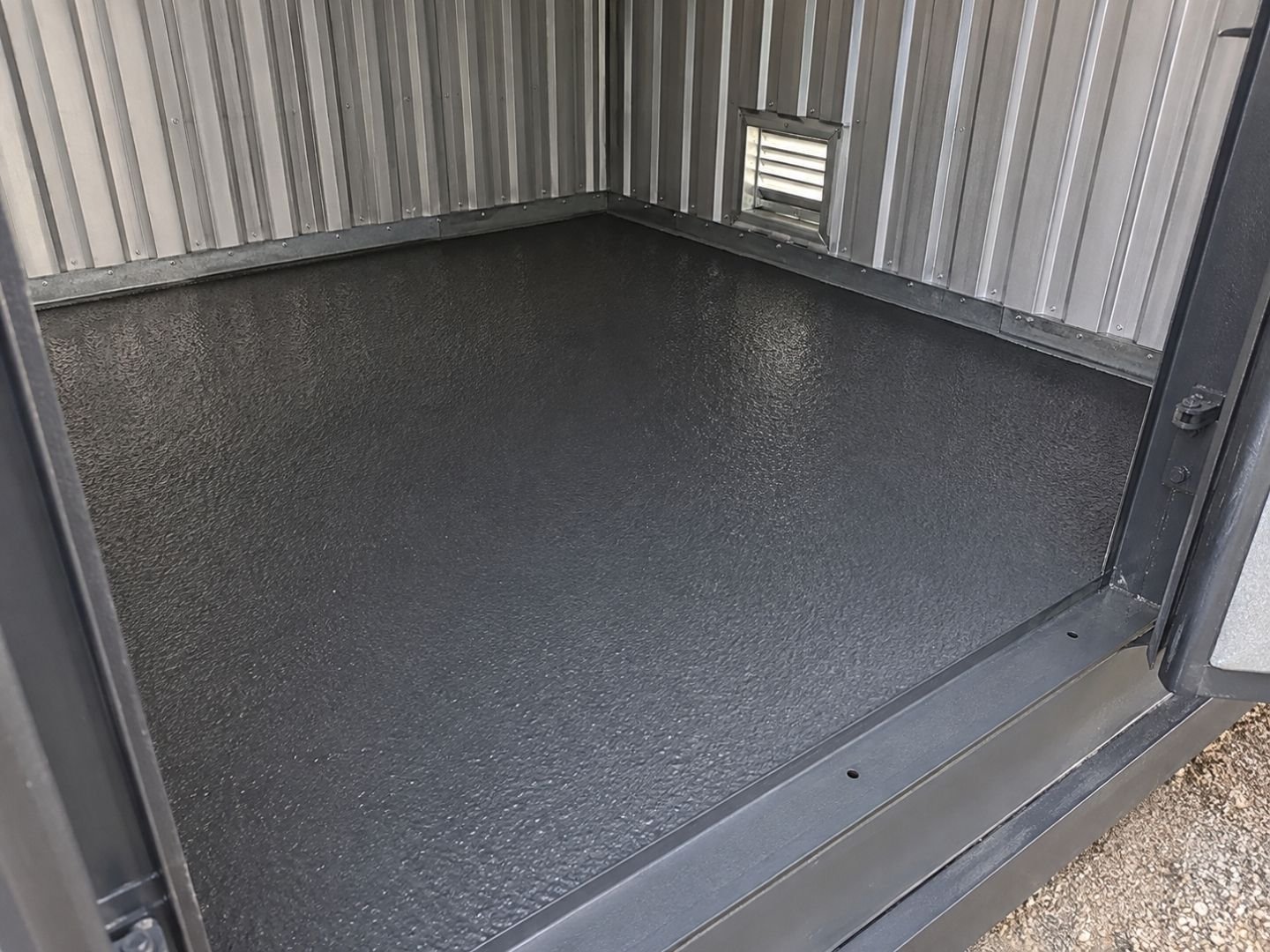
Reliable VRU compressor packages are equipped with enclosed housings and durable Rhino-coated floors designed to provide a cleaner, more secure working surface than an exposed skid with bare diamond-plate flooring.
Oilfield compressor packages operate in demanding conditions. Rain, condensation, lubricants, process liquids, mud, ice, and routine maintenance activities can quickly create hazardous walking surfaces. Bare steel and diamond plate may become slippery when contaminated, particularly when oil or water settles between the raised patterns.
Our Rhino-coated floors provide a textured, sealed surface that helps improve traction and reduce the likelihood of slips, trips, and falls during inspection, operation, and maintenance.
Reduced Exposure to Bare Conductive Steel
An exposed steel skid is electrically conductive. When the surface becomes wet or contaminated, personnel may be standing directly on grounded metal while working near motors, wiring, controls, heaters, lighting, or other electrical equipment.
The nonmetallic Rhino coating places a protective barrier over much of the exposed steel walking surface. This can reduce direct contact with bare conductive metal and may help limit incidental exposure to the grounded skid structure — particularly valuable during wet, muddy, or freezing conditions, when water may increase conductivity and create additional electrical risk.
The coating should not be represented as a substitute for electrical safety systems. It is not a replacement for proper equipment grounding, bonding, classified electrical components, ground-fault protection, lockout/tagout procedures, electrical maintenance, or the use of appropriate personal protective equipment. Unless a floor coating has been specifically tested and certified for electrical-insulation performance, it should not be described as an electrically insulated floor. Its safety benefit is that it covers exposed conductive steel and provides an additional physical barrier — not that it makes electrical work safe by itself.
Safer Maintenance Conditions
Routine compressor maintenance requires technicians to carry tools, remove panels, inspect components, service filters, handle lubricants, and work around rotating and electrical equipment. A coated, enclosed floor provides a more controlled maintenance environment by helping to:
- Improve footing around the compressor package
- Reduce direct contact with bare steel
- Contain small oil and lubricant spills
- Make leaks and contamination easier to see
- Reduce the accumulation of mud and debris
- Protect the underlying floor from corrosion
- Create a more stable surface for tools and service equipment
- Improve overall housekeeping inside the enclosure
Cleaner floors are not merely cosmetic. Better housekeeping helps technicians identify leaks, loose components, damaged wiring, and other developing problems before they contribute to an injury or equipment failure
Protection in Rain, Ice, and Freezing Conditions
Exposed compressor skids leave personnel vulnerable to wind, rain, ice, and other severe weather conditions. Water can collect on metal walking surfaces, while frost and ice can make diamond plate extremely hazardous.
Reliable VRU’s enclosed compressor housings help shield the operating area from direct precipitation. The Rhino-coated floor adds a textured surface better suited to real-world field access and maintenance conditions than uncovered steel flooring. Although the enclosure and coating reduce weather exposure, operators must still inspect the floor for standing water, ice, oil, and other contaminants before entering the package.
Corrosion and Floor Protection
Uncoated steel floors are subject to scratches, corrosion, and deterioration, particularly when continually exposed to moisture, salts, chemicals, mud, and compressor lubricants. The Rhino coating seals the walking surface and helps protect the underlying steel from repeated environmental exposure, supporting longer floor life and reducing the formation of rusted, uneven, or deteriorated areas that may eventually become trip or structural hazards.
The value of a compressor package should not be measured only by horsepower, capacity, suction pressure, or discharge pressure. Personnel must be able to enter, inspect, operate, and maintain the equipment safely. Reliable VRU incorporates enclosed housings and Rhino-coated floors to provide a safer and more serviceable work environment than exposed compressor skids with bare diamond-plate floors.